The Complete Guide to Professional Core Cutting Services: Techniques, Costs, Legality, and Best Practices
In the dynamic world of construction and renovation, precision is paramount. Whether you are laying the foundation for a new skyscraper in Mumbai, retrofitting an old building in Delhi, or installing plumbing in a Bangalore apartment, there comes a time when you need to create a precise opening in a hardened concrete structure. This is where professional core cutting services become indispensable.
Gone are the days of clumsy, damaging, and inefficient manual chiseling. Today, core cutting stands as a testament to modern engineering precision. This comprehensive guide will walk you through everything you need to know about core cutting services. We will explore its uses, legal landscape, testing methodologies, best techniques, and, most importantly, the costs involved. If you are a contractor looking to expand your service offerings or a client in need of these services, this guide is your ultimate resource.
What You Will Learn in This Guide
-
Understanding Core Cutting: What it is and why it’s the preferred method.
-
Primary Applications: The diverse uses of core cutting in modern construction.
-
The Legal Landscape: Is core cutting legal? Understanding the rules and regulations.
-
Quality Assurance: The core cutting test for RCC and what it reveals.
-
Mastering the Technique: The best practices and equipment for flawless execution.
-
Cost Analysis: A detailed breakdown of core cutting service prices with tables.
-
How to Find the Right Professional: Choosing expertise over guesswork.
-
Frequently Asked Questions: Answering the top queries people have.
1. What is Core Cutting? An Overview
Core cutting is a specialized construction technique used to create precise, clean, and circular holes in concrete, reinforced concrete (RCC), masonry, asphalt, or stone structures. The process utilizes a hollow, cylindrical drill bit fitted with industrial-grade diamond segments. This bit is mounted on a powerful drilling motor, which can be either hand-held or rig-mounted, depending on the size and complexity of the job.
As the diamond-tipped bit rotates at high speed, it grinds through the material, producing a solid cylindrical core or "slug" of the removed material. A continuous flow of water is used to cool the diamond segments, reduce dust, and prolong the life of the equipment. The result is a perfectly dimensioned hole with smooth edges, causing no micro-fractures or damage to the surrounding structure.
Why Choose Core Cutting Over Traditional Methods?
Traditional methods like hand chiseling or using a jackhammer are noisy, dusty, imprecise, and can severely damage the structural integrity of a building. Core cutting offers several unparalleled advantages:
-
Precision: Achieves exact diameters and depths as specified.
-
Speed: Cuts through reinforced concrete much faster than manual methods.
-
Non-Perishable: The vibration-free process ensures the surrounding structure remains intact and undamaged.
-
Versatility: Can cut through heavily reinforced concrete with ease.
-
Cleanliness: The wet drilling process minimizes dust, making it suitable for indoor and sensitive environments.
2. Primary Uses of Core Cutting Services
The question, "What is the use of core cutting?" is common among property owners and new contractors. The applications are vast and integral to almost every phase of construction and renovation. Here are the most common uses:
A. Creating Openings for Utilities (MEP)
This is the most frequent application. Modern buildings require a complex network of electrical, plumbing, and HVAC (Heating, Ventilation, and Air Conditioning) systems.
-
Plumbing and Drainage: Creating holes in floors and walls for waste pipes, water supply lines, and soil pipes.
-
Electrical Conduits: Running electrical cables and conduits through walls and slabs.
-
HVAC Ducting: Cutting precise openings for air conditioning ducts and exhaust vents.
B. For Structural Testing and Assessment
Core cutting is the primary method for extracting concrete samples from an existing structure to perform tests.
-
Core Drill Test: Cylindrical samples are cut and removed to be tested in a laboratory for compressive strength, permeability, and internal composition. This is crucial for assessing the health of an old building or verifying the quality of new construction.
C. Retrofitting and Renovation
When repurposing an old building, new requirements often necessitate new openings.
-
Creating Doors and Windows: Cutting new door or window openings in load-bearing and non-load-bearing walls.
-
Creating Staircase Openings: Cutting large, precise openings in concrete slabs to install new staircases or elevators.
-
Anchor and Dowel Holes: Drilling holes for installing chemical or mechanical anchors to attach new structural elements to old ones.
D. Infrastructure and Road Work
Core cutting is not limited to buildings.
-
Traffic Signs and Barriers: Drilling holes in roads and highways to install signposts, light poles, and safety barriers.
-
Drainage Holes: Creating drainage pathways in retaining walls and along roadsides.
3. Is Core Cutting Legal? Understanding the Rules
This is a critical question, "Is core cutting legal?" and the answer is yes, but with significant caveats. Core cutting itself is a legal and essential engineering process. However, performing it without proper authorization or in a manner that compromises structural safety is illegal and dangerous.
The Legal and Safety Framework
-
Structural Integrity is Paramount: In multi-story buildings, especially under RERA (Real Estate Regulatory Authority) in India, cutting a hole in the wrong place—like through a main support beam or a critical column—can be catastrophic. It can weaken the building's load-bearing capacity, leading to cracks, settling, or even collapse.
-
Need for Permission:
-
For Individual Homeowners/Apartment Owners: Before undertaking any core cutting in an apartment or shared wall, you must obtain written permission from your local housing society, apartment owners' association, or the relevant municipal authority. Unauthorized cutting can lead to heavy fines and legal action.
-
For Commercial/Industrial Projects: Permissions are typically part of the overall building plan approval process. Structural engineers must sign off on the locations of all major penetrations.
-
Hiring Licensed Professionals: It is not just about permission for the act, but also for the actor. You must hire a licensed and insured professional core cutting service. They have the expertise to read structural drawings, identify reinforcement, and execute the cut without damaging the building. An unskilled worker with a rented machine is a recipe for disaster.
In summary: Core cutting is 100% legal when done with the necessary permits, by qualified professionals, and in accordance with the building's structural design. Never attempt to bypass these rules.
4. The Core Cutting Test for RCC: A Deep Dive
The "core cutting test for RCC" is a fundamental quality control and assessment procedure. It is the most direct method to determine the actual in-situ strength of the concrete in a structure.
When is the Test Performed?
-
Post-Construction Disputes: If cube tests (standard lab tests) fail or are disputed, a core test provides a definitive answer.
-
Structural Assessment of Old Buildings: To evaluate if an existing structure can handle additional loads or needs repairs.
-
Post-Fire or Disaster Analysis: To assess the damage and residual strength of concrete after a fire or earthquake.
-
Quality Assurance: On large projects, cores are sometimes taken to ensure the placed concrete meets the required specifications.
The Procedure Step-by-Step
-
Site Selection: A structural engineer identifies representative locations for core extraction, avoiding highly reinforced areas if possible.
-
Extraction: A diamond core drill is used to extract a cylindrical core, typically 50 mm to 150 mm in diameter. Water cooling is essential.
-
Preparation: The core ends are cut plane and parallel, and often capped with a sulfur compound to ensure even load distribution during testing.
-
Compressive Strength Testing: The prepared core is placed in a compression testing machine and loaded until it fails. The maximum load carried by the specimen is recorded.
-
Analysis: The compressive strength is calculated. The results are then adjusted for the core's length-to-diameter ratio and the presence of reinforcement to estimate the equivalent in-situ cube strength.
Interpreting the Results
Standard codes (like IS 516 in India or ASTM C42) provide guidelines for acceptance. Generally, concrete in an element is considered adequate if the average equivalent cube strength of the cores is at least 85% of the specified grade, and no individual core is less than 75%.
5. What is the Best Technique for Core Cutting?
Achieving a perfect cut every time requires more than just a powerful machine. It is a combination of the right equipment, technique, and expertise. So, "What is the best technique for core cutting?" The answer lies in a professional, methodical approach.
The Three Pillars of Best Technique
1. Equipment Selection
The choice of drill rig is paramount.
-
Hand-Held Drills: Best for smaller diameters (up to 150mm) and applications where access is difficult or the equipment needs to be moved constantly. They are ideal for anchor holes or small pipe penetrations.
-
Rig-Mounted Drills (Stationary): These are the workhorses for large-diameter, deep, and precision cuts. The drill is mounted on a column that is bolted or anchored to the floor or wall. This ensures perfect alignment, zero vibration, and allows for cutting diameters exceeding 500mm. This is the best technique for RCC slabs and walls where precision is non-negotiable.
2. The Core Cutting Process
A professional follows these steps:
-
Scanning (The Most Critical Step): Before drilling a single millimeter, a professional uses a rebar scanner (cover meter) to locate the exact position of reinforcement steel. This avoids cutting through high-tensile steel, which is dangerous and damages the bit. The cut is planned to go between the rebars.
-
Rig Setup: The drill stand is securely fixed to the surface. For floors, this is often done with anchor bolts. For walls, a pressure system is used.
-
Wet Drilling: A constant water supply is maintained to the drill bit's cutting edge. This cools the diamonds, flushes out slurry, and prevents dust.
-
Controlled Cutting: The driller applies consistent, controlled pressure. Pushing too hard can overheat the bit, while too little pressure will slow the process. The machine's auto-feed mechanism ensures optimal cutting speed.
3. Safety Protocols
Safety is an integral part of the best technique.
-
Structural Assessment: Understanding what is on the other side of the wall or below the slab to avoid cutting into hidden utilities (gas pipes, electrical lines).
-
Personal Protective Equipment (PPE): Operators always wear safety glasses, helmets, ear protection, and waterproof clothing.
-
Slurry Management: Proper containment and disposal of the concrete slurry to prevent environmental and safety hazards on site.
6. Cost Analysis of Core Cutting Services
Pricing is the most variable aspect of core cutting. It depends on a multitude of factors. Below, we provide a detailed breakdown to help you budget for your project. Note that these are estimated market rates in India and can vary significantly based on city, project complexity, and the contractor's reputation.
Factors Influencing Core Cutting Price
-
Diameter of the Core: This is the primary cost driver. Larger holes require more powerful machines, larger diamond bits, and take more time.
-
Depth of Cut: Deeper holes take longer to drill, increasing labor and machine time costs.
-
Reinforcement Density: Cutting through heavily reinforced concrete with multiple layers of steel bars is much harder on the equipment and increases the price.
-
Material Type: Cutting plain concrete is cheaper than cutting RCC, which is cheaper than cutting high-strength concrete or granite.
-
Location and Accessibility: A job on the 20th floor of a building with no elevator will cost more due to logistics. Tight spaces also add complexity.
-
Quantity: Large projects often benefit from economies of scale, leading to a lower per-hole price.
Indicative Price Table for Core Cutting Services
The table below provides an estimated price range per hole. This usually includes the equipment, operator, and basic slurry cleanup. It may or may not include the cost of the diamond bit itself, which is a consumable, so always clarify.
Important Note on Additional Costs:
-
Travel/Logistics: For sites far from the city center, a travel charge may apply.
-
Reinforcement Cutting: If the cut inadvertently hits a rebar, there may be an extra charge for cutting the steel, or the bit may be damaged, leading to a replacement cost.
-
Bit Replacement: If the concrete is extremely hard or the reinforcement is unexpectedly heavy, the bit may wear out faster, and some contractors may pass on a portion of this cost for very large jobs. Always discuss this upfront.
For the most accurate and competitive pricing for your specific project, it is best to get quotes from multiple registered contractors.
7. How to Choose the Right Core Cutting Service Provider
Choosing a provider based on price alone can be a costly mistake. Here is a checklist to ensure you hire a team that delivers quality and safety.
-
Experience and Portfolio: Ask for examples of previous work, especially projects similar to yours. An experienced team will be able to handle unexpected challenges like hidden utilities or varying concrete densities.
-
Insurance and Licensing: Ensure the company has valid liability insurance. This protects you if they cause accidental damage to your property. Verify their business registration.
-
Equipment Quality: A professional company invests in well-maintained, modern equipment from reputable brands. This translates to faster, cleaner, and safer work.
-
Rebar Scanning Capability: This is non-negotiable. Do they use a rebar locator before they start drilling? If not, look elsewhere.
-
Reviews and Reputation: Check online reviews and ask for references. A track record of satisfied customers is the best indicator of future performance.
-
Clear Quotation: A professional quote should break down the costs: per-hole rate, depth charges, travel, and any potential extra costs.
A Platform to Find Verified Professionals
Finding trustworthy contractors can be challenging. This is where a dedicated platform can make all the difference. If you are a contractor looking to get more high-quality clients, or a client seeking verified, experienced core cutting specialists, consider joining a trusted network.
For instance, you can explore a premier construction network that connects verified professionals with project opportunities. Join 10,000+ successful contractors and expand your reach across 500+ cities by registering on a platform designed for growth. You can start with a free listing to showcase your portfolio and build credibility. To learn more about how such a network can help you grow your construction business, you can visit their signup page here:
👉 https://corecuttingindia.com/signup/
8. Frequently Asked Questions (People Also Ask)
To further enhance your understanding, here are concise answers to the most searched questions about core cutting.
Q1: What is the main use of core cutting?
A: The primary use is to create precise, clean openings in concrete structures for installing utilities like plumbing pipes, electrical conduits, and HVAC ducts. It is also essential for extracting concrete samples for testing.
Q2: Can I do core cutting in my apartment wall?
A: You can, but only after obtaining written permission from your building's society or owners' association. You must also hire a licensed professional to ensure it does not compromise the building's structural safety. Unauthorized cutting is illegal.
Q3: How is the core cutting test for concrete performed?
A: A diamond drill extracts a cylindrical concrete sample (core). This core is then prepared and crushed in a compression testing machine to determine its compressive strength. This test verifies if the concrete meets the required grade.
Q4: What is the best method for cutting large diameter cores?
A: The best technique for large diameters (over 150mm) is using a rig-mounted or stationary diamond drilling machine. It is securely anchored to the surface, ensuring zero vibration, perfect alignment, and the power needed for deep, accurate cuts.
Q5: Does core cutting create a lot of dust?
A: Professional core cutting uses a wet drilling technique, where water continuously flows to the cutting edge. This process suppresses virtually all dust, making it safe and clean for indoor environments.
Q6: How much does core cutting cost in India?
A: The cost varies widely. For small diameters (25-50mm), prices can start around ₹200 per hole. For larger diameters (200-300mm), it can range from ₹1,500 to ₹7,000 per hole. Complex jobs with heavy reinforcement or difficult access will cost more. Always get a detailed quote.
Conclusion: Precision, Safety, and Professionalism
Core cutting is a sophisticated service that sits at the heart of modern construction, renovation, and structural assessment. From enabling complex MEP installations to providing the data needed for structural safety through core tests, its applications are critical. While the question of its legality is important, the answer is clear: it is legal when performed with the right permissions and by skilled professionals.
The "best technique" is not just about the machine, but a holistic approach involving careful planning, rebar scanning, proper rig setup, and strict safety protocols. And when it comes to cost, understanding the factors at play—diameter, depth, reinforcement—will help you budget effectively and understand the quotes you receive.
Whether you are a project manager needing a thousand anchor holes, a homeowner needing one pipe penetration, or a contractor looking to grow your business, remember that cutting corners on core cutting is never an option. The integrity of your structure depends on it. Choose expertise, demand precision, and prioritize safety above all else.
For those ready to take the next step, whether to find a trusted expert or to list your own professional services, connecting with a verified network is the most efficient path forward. Expand your possibilities today by joining a community dedicated to construction excellence.

 All Services
 Service Experts
 IT Service
 Explore Travel
 Gym
Gym Products
 Vouchers & Deals
 Blogs
Blogs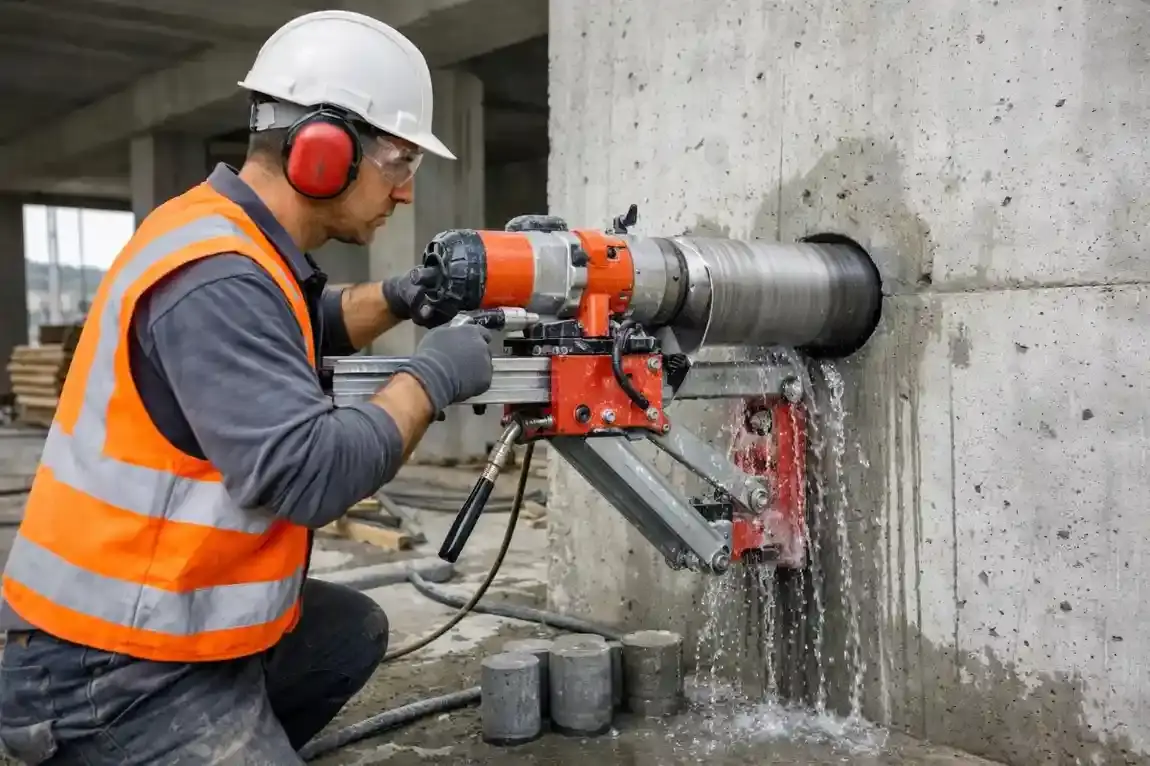



 Hotels
 Spa
Spa Support